
Menus and travel content in Greek
Translate menus, signs, brochures and destination visuals for Greek-speaking travelers and hospitality teams.
Localize product images, ads, menus and digital content for Greek-speaking audiences across European markets. Upload a JPG, PNG or WebP up to 10 MB and get the same image back with its text in Greek.
Visual proof
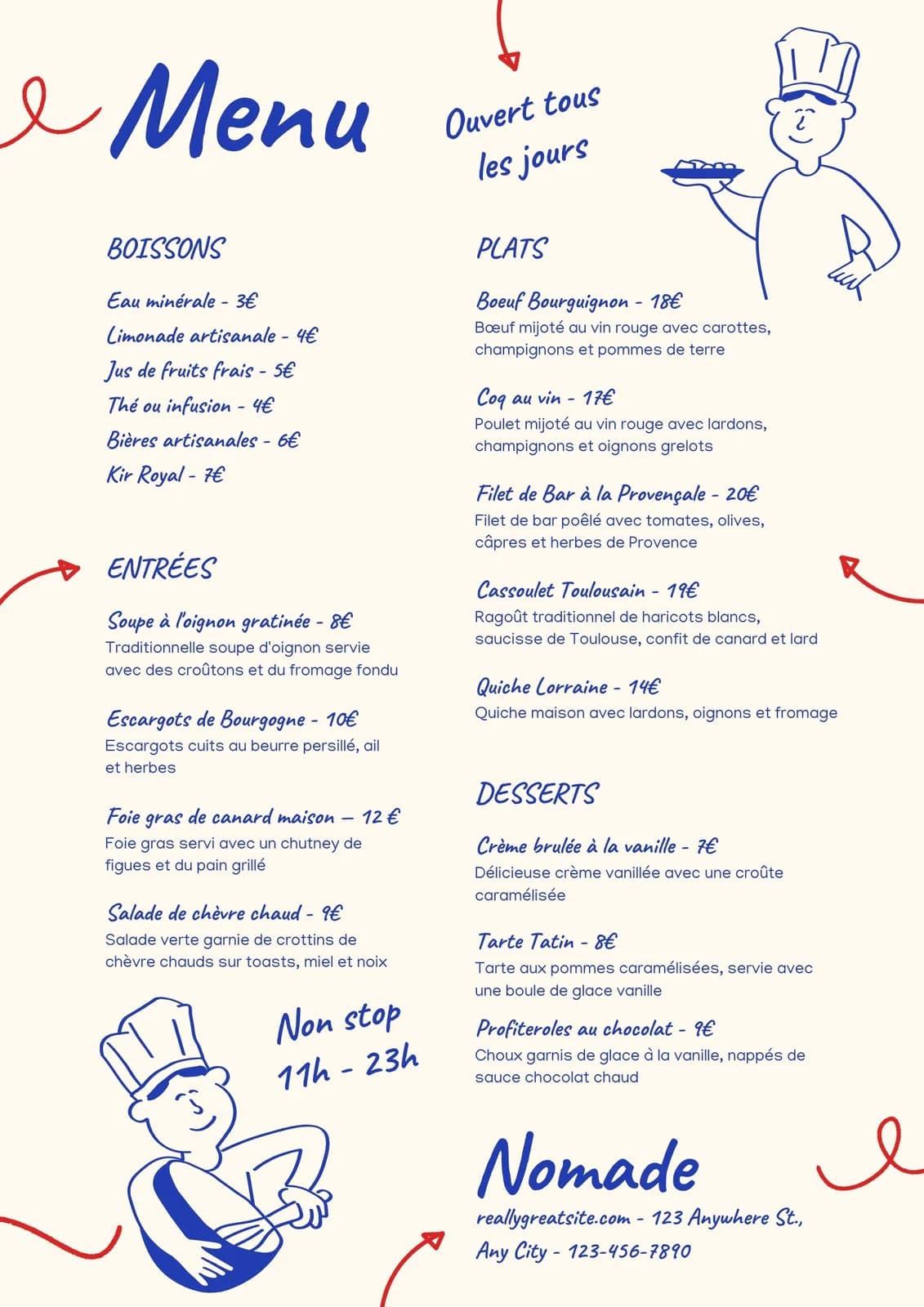 Source
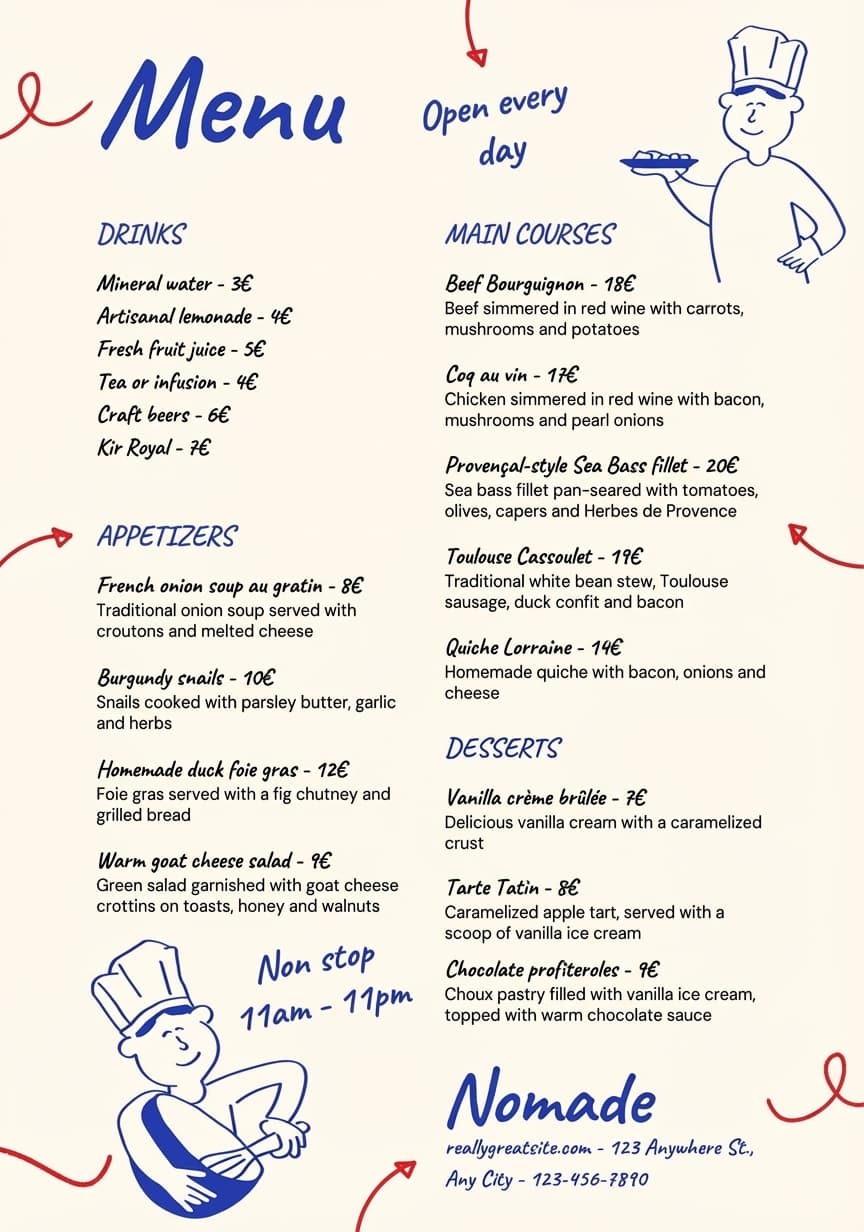 English result
 Spanish result
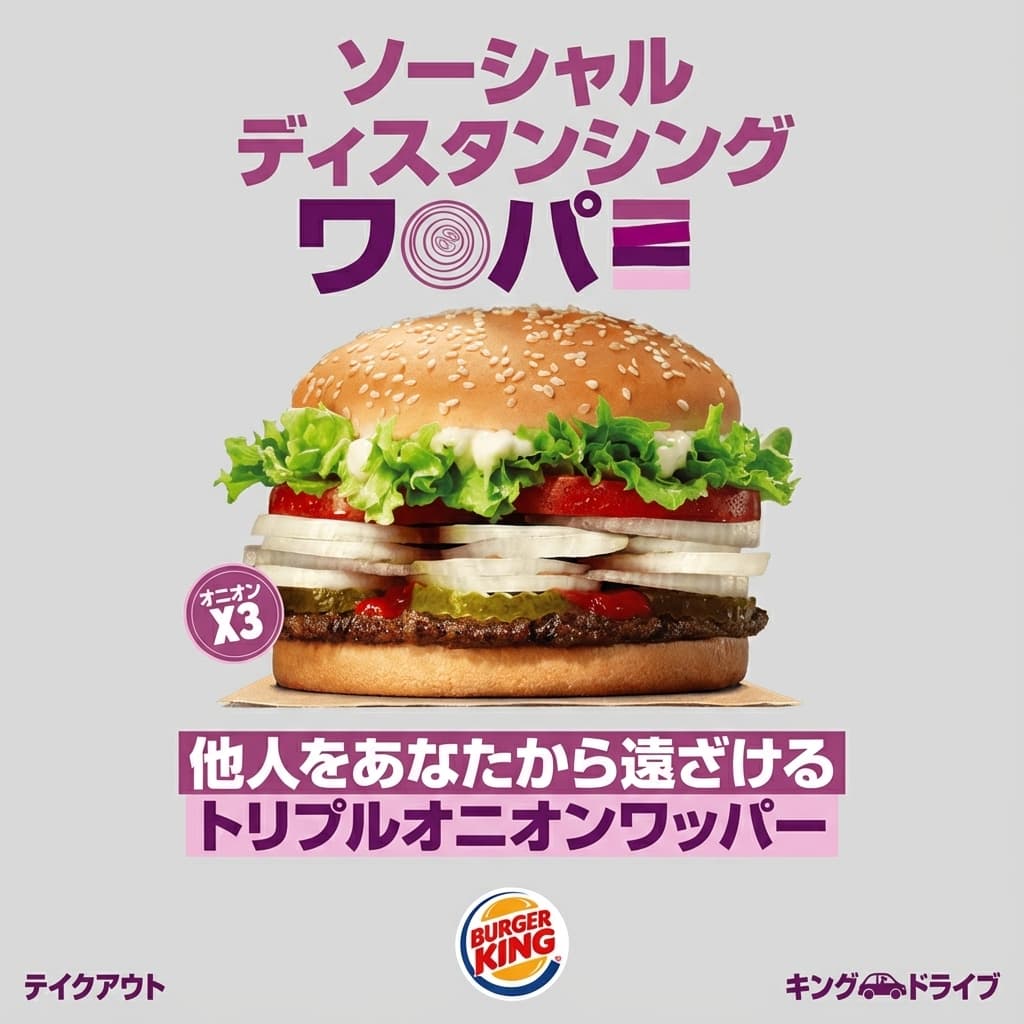 Japanese result
Translate
Greek is already selected as the target language. Upload one image, keep auto-detect for the source or pick it yourself, and check the result before you share or publish it.
Use cases
Three kinds of images to translate to Greek for European markets, with examples of each.
Translate menus, signs, brochures and destination visuals for Greek-speaking travelers and hospitality teams.
Localize packaging, product features, comparison charts and marketplace visuals for Greek-speaking shoppers.
Make slides, worksheets, diagrams and educational visuals easier to use for Greek-speaking learners.
Language notes
Greek has its own alphabet and marks the stressed syllable with an accent (tonos) on most words of two or more syllables. Words set in capitals drop the accent.
Accents are left out of all-caps words but kept in lowercase text. Check headlines and body text separately.
The Greek question mark looks like a semicolon (;). It is correct and should stay.
Sigma is written ς at the end of a word and σ elsewhere. Check words that end in sigma.
How to use
Each translation takes one image and uses one credit. Check the result before you use it, as its quality depends on the source image.
Choose a JPG, PNG, WebP or other supported image up to 10 MB.
Keep auto-detect for the source language, then use Greek as the target.
Compare names, numbers and prices with the original before you download or publish the image.
Pricing
The Basic plan is free, with 3 credits a month for personal use. Commercial use starts with Pro.
For occasional translations
3 credits / month
For professionals
100 credits / month
For power users and teams
300 credits / month
FAQ
What to upload, what the Greek result keeps and where to start. Spelling and typography checks are in the language notes above.
Any image with text in it: travel content, menus, ads, social posts, screenshots or scanned documents, as a JPG, PNG or WebP file up to 10 MB.
An AI image model rewrites the text in Greek and returns a new image that follows the original layout, fonts and colors. Results vary with image quality, small print and complex layouts, so check names, numbers and prices before you publish.
Yes. The translator on this page opens with Greek selected as the target language. Greek is not among the 9 languages of the main translator, batch translation and the API, so start your Greek translations from this page.
That is correct: the Greek question mark looks like a Latin semicolon (;). Keep it when you review the text.
TranslateMyImage
The free Basic plan covers 3 images a month, enough to test Greek on your own files.
Translate to Greek